

Voice Bots vs IVR: What Customers Actually Prefer
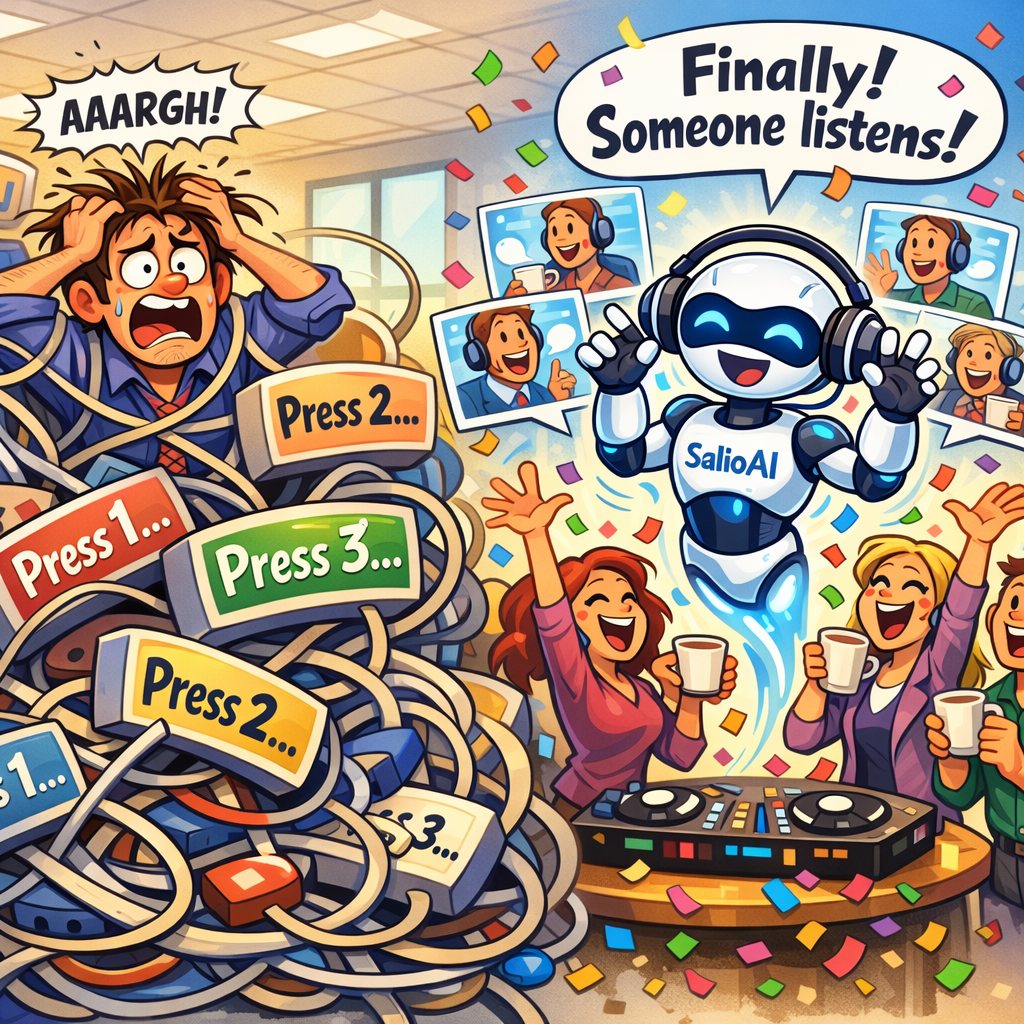
Why the Future of Customer Experience Is Talking, Not Pressing Numbers
We’ve all been there.
You call a company, and…
“Press 1 for sales, 2 for support, 3 for billing…”
Minutes stretch into eternity.
Menus loop endlessly.
You feel trapped, frustrated, and questioning why you even called.
Welcome to the world of traditional IVR (Interactive Voice Response) — functional, yes. Enjoyable? Not even close.
Now, enter voice bots.
AI-powered assistants that actually understand what you’re saying, respond in real-time, and don’t make you press endless buttons.
The difference? Customers feel seen. Heard. Respected.
And that matters more than you think.
Why IVR Feels Outdated
IVR systems are predictable. And predictable can be comforting — until it’s not.
Common complaints about IVR:
- Endless menus that confuse rather than guide
- Robotic voices that feel cold and impersonal
- Zero adaptability — every caller gets the same experience
- Frustration when a human agent is needed, but hard to reach
The result? Customers hang up. Or worse, they stay, frustrated, and leave with negative emotions toward your brand.
IVR is functional. But it fails emotionally.
Voice Bots: A Conversational Upgrade
Voice bots, powered by AI like SalioAI, don’t just follow scripts. They understand context.
Here’s what sets them apart:
- Natural Language Understanding – Customers can speak naturally. No memorizing menus. No guessing numbers.
- Adaptive Responses – The bot responds differently depending on the caller’s intent, tone, and urgency.
- Faster Resolution – Questions answered in seconds, not minutes.
- Seamless Handoff – When a human agent is needed, the bot provides full context, reducing repetition.
The result? Customers actually enjoy the interaction.
The Science Behind Preferences
Studies in customer experience show:
- 75% of customers prefer speaking naturally to a system that understands them, rather than navigating button menus.
- Speed and comprehension trump politeness — a fast, helpful response outweighs overly polite but slow IVR.
- Emotional satisfaction matters — voice bots reduce frustration and increase trust.
Humans are wired to respond to tone, pacing, and conversational rhythm. IVR doesn’t respect this rhythm.
Voice bots do.
SalioAI: Making Voice Bots Truly Human
Here’s where sales and customer experience converge.
SalioAI is a voice bot platform designed not only for speed but for psychological comfort:
- Listens to the customer’s tone and adjusts responses naturally
- Pauses strategically to avoid interrupting
- Speaks clearly without sounding robotic
- Provides real-time solutions while keeping the interaction seamless
Sales teams love it too:
- Leads are qualified faster
- Conversations are richer
- Follow-ups are easier to personalize
In short: SalioAI makes the interaction feel like a human conversation — and humans respond better to humans. Even if it’s AI.
Why Customers Actually Prefer Voice Bots
It comes down to three things:
- Ease – No guessing which number to press. Just speak, and the bot understands.
- Speed – Issues are resolved faster than IVR could ever handle.
- Empathy – Even AI can feel human when it respects conversational flow.
Customers don’t just tolerate voice bots. They prefer them.
They remember them.
They trust brands using them.
They convert faster.
The Bottom Line: IVR Is Dead. Long Live Conversational AI
IVR may still exist in legacy systems, but the future is clear:
- Customers expect intelligent, adaptive, conversational experiences.
- Brands that rely on cold menus risk frustration and lost sales.
- AI-powered voice bots, like SalioAI, turn a transactional call into a human experience.
The choice is simple:
Do you want customers to hang up annoyed, or smile, trust, and buy?
If you said the latter, the answer is clear.
Voice bots aren’t the future.
They are the now
